Few foods carry as much history, culture, and versatility as the crêpe. What began as a simple buckwheat pancake in the rural kitchens of Brittany, France has evolved over centuries into one of the world's most beloved dishes — a canvas for everything from salted caramel and fresh strawberries to smoked salmon and brie. At Crepes & Treats in St. Louis, we honor that tradition every day, crafting each crêpe by hand at 4630 Lindell Blvd in the Central West End.
Origins: Brittany and the Buckwheat Galette
The crêpe's story begins in the 13th century in Brittany, the rugged northwestern region of France. Legend has it that a Breton housewife accidentally spilled porridge onto a flat cooktop, and the result — a thin, crispy pancake — was too delicious to ignore. Whether or not that's exactly how it happened, Brittany became the undisputed birthplace of the crêpe.
Early Breton crêpes were made with sarrasin (buckwheat flour), water, and salt — simple ingredients that reflected the region's agricultural landscape. These galettes, as savory buckwheat crêpes are still called in France, were a staple food: filling, affordable, and endlessly adaptable. Sweet crêpes, made with white wheat flour, milk, eggs, and a touch of butter, emerged later as a dessert or snack variation.
The Crêpe Spreads Across France — and the World
By the 19th century, crêperies had spread from Brittany to Paris, where Breton immigrants set up street stalls and small restaurants across the city. The crêperie — a restaurant dedicated entirely to the art of the crêpe — became a Parisian institution. La Chandeleur, the French holiday celebrated on February 2nd, became synonymous with crêpe-making, with families gathering to cook crêpes and, according to tradition, flip them with one hand while holding a coin in the other for good luck.
As French cuisine gained global prestige in the 20th century, the crêpe traveled with it — to the United States, Japan, Brazil, and beyond. In America, the crêpe found particular enthusiasm in cities with strong French culinary influence, eventually becoming a fixture on brunch menus nationwide.
The Anatomy of a Great Crêpe
A crêpe's genius lies in its simplicity. The batter — flour, eggs, milk, butter, and a pinch of salt — contains nothing exotic. The technique is where mastery lives: the temperature of the pan, the angle of the pour, the quick circular motion of the wrist that spreads the batter into a perfectly thin, even disc. A well-made crêpe is tender but not fragile, with slightly lacy edges and a gentle golden color. It should fold without cracking and hold its filling without becoming soggy.
At Crepes & Treats, our team has refined this technique to an art form. Every crêpe on our menu is made fresh to order — never pre-made, never reheated. That commitment to freshness is what makes the difference between a crêpe that's merely good and one that's genuinely memorable.
Sweet vs. Savory: Two Traditions, One Table
The French have long maintained a clear distinction between sweet crêpes (crêpes sucrées) and savory galettes (galettes de sarrasin). Traditionally, a proper Breton meal might begin with a savory galette — filled with ham, egg, and cheese — and conclude with a sweet crêpe drizzled in butter and sugar or flambéed with orange liqueur.
At Crepes & Treats, we celebrate both traditions equally. Our savory crêpes draw inspiration from French classics — the Ham & Cheese Crêpe with Dijonnaise sauce, the elegant Smoked Salmon Crêpe — while our sweet offerings push into more indulgent territory: the fan-favorite Bananas Foster Crêpe, for instance, takes its inspiration from the legendary New Orleans dessert. You can dive deeper into the differences in our Crepes Guide.
Crêpes Come to St. Louis
St. Louis has always had a deep connection to French culture — the city itself was founded as a French fur trading post in 1764, and French architectural and culinary influences have woven themselves into the city's fabric ever since. It feels fitting, then, that St. Louis is home to one of the Midwest's most dedicated crêperies.
Crepes & Treats opened with a simple mission: bring the craft and warmth of the French crêperie tradition to the Central West End, using the best local ingredients and making every guest feel like they're the only one in the room. Located inside Hotel Indigo at 4630 Lindell Blvd, we serve breakfast, brunch, and lunch Tuesday through Sunday — a small corner of Brittany in the heart of St. Louis.
Come experience the history for yourself. Order online for pickup or walk in any Tuesday through Sunday between 7:00 AM and 2:00 PM.
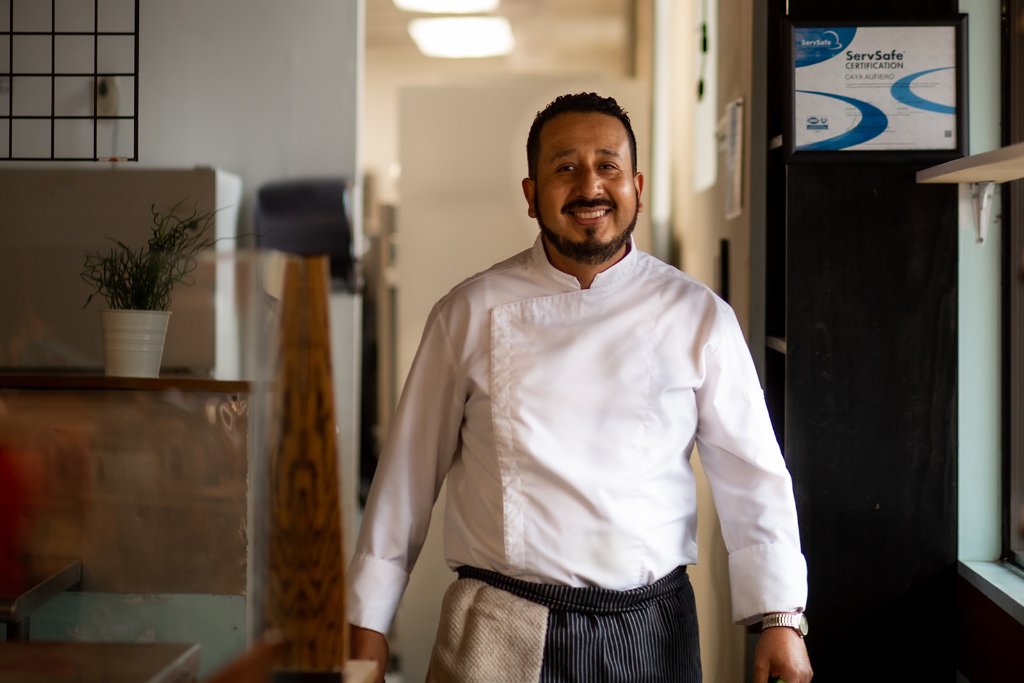
Written & reviewed by
Saul Juarez
Owner & Founder, Crepes & Treats — 4630 Lindell Blvd, St. Louis, MO 63108
Saul Juarez founded Crepes & Treats to bring the authentic French creperie tradition to St. Louis. Every crepe is made fresh to order on a seasoned griddle using locally sourced produce, dairy, and proteins — a from-scratch standard Saul has maintained since opening inside Hotel Indigo in the Central West End.